Masonry Demolition in Bergen County, NJ
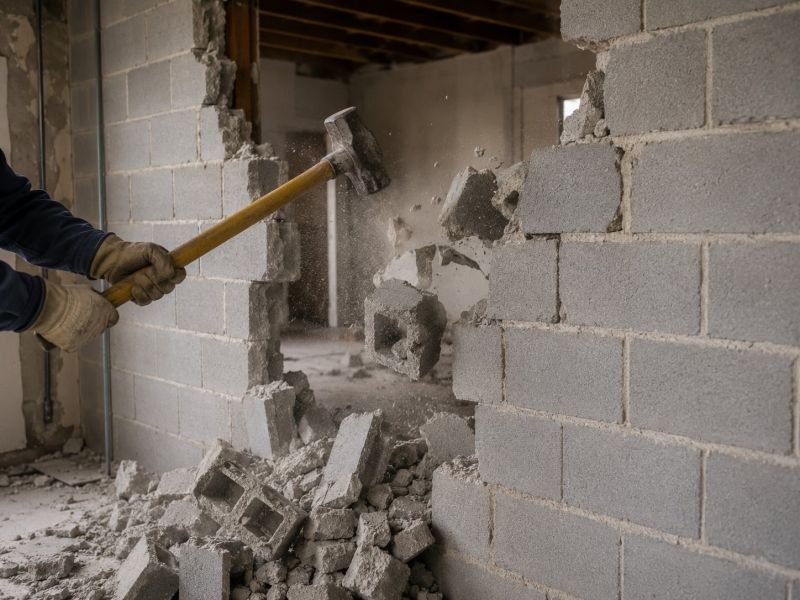
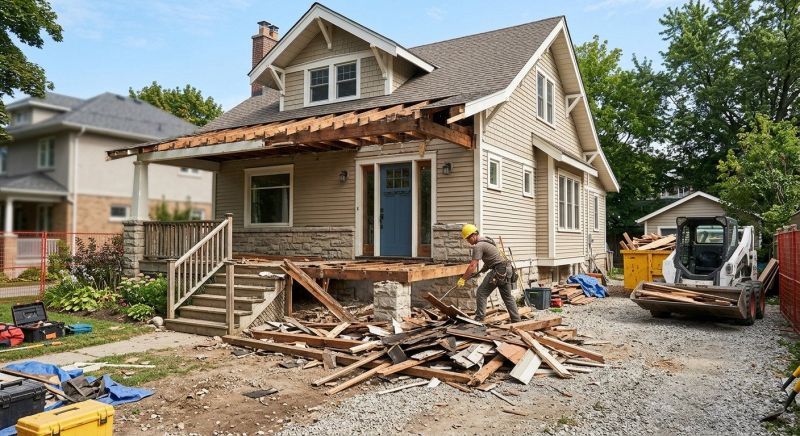
Masonry demolition services involve the careful removal of existing brick, stone, or concrete structures on residential properties. This type of demolition is often required for projects such as removing old chimneys, retaining walls, fireplaces, or other masonry features that are no longer needed or are being replaced. Property owners should understand that these services focus on dismantling and clearing masonry elements while protecting surrounding areas, making it a precise process that minimizes damage to nearby structures and landscaping.
Before requesting masonry demolition, homeowners typically want to know about the scope of work, including the types of materials involved and the potential impact on the property. It's also important to consider factors like access to the site, disposal of debris, and any necessary permits or approvals. Clear communication about these details can help ensure the project proceeds smoothly and aligns with property owners’ expectations.
Many property owners in Bergen County, NJ look into Masonry Demolition for repairs, replacements, upgrades, and appearance-related improvements.
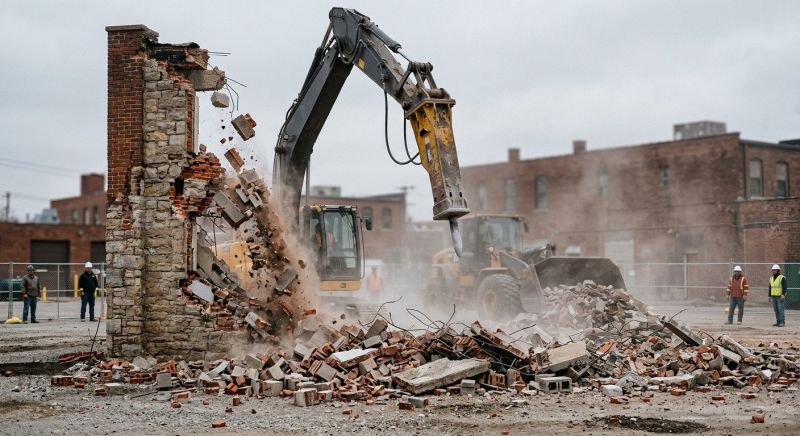
Structural Demolition
Removing old or damaged masonry structures to prepare for renovation or new construction.
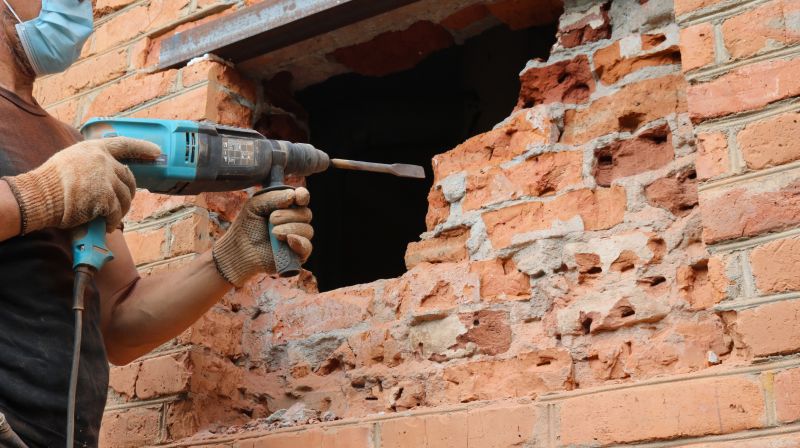
Foundation Removal
Carefully dismantling existing masonry foundations to ensure the stability of new builds.
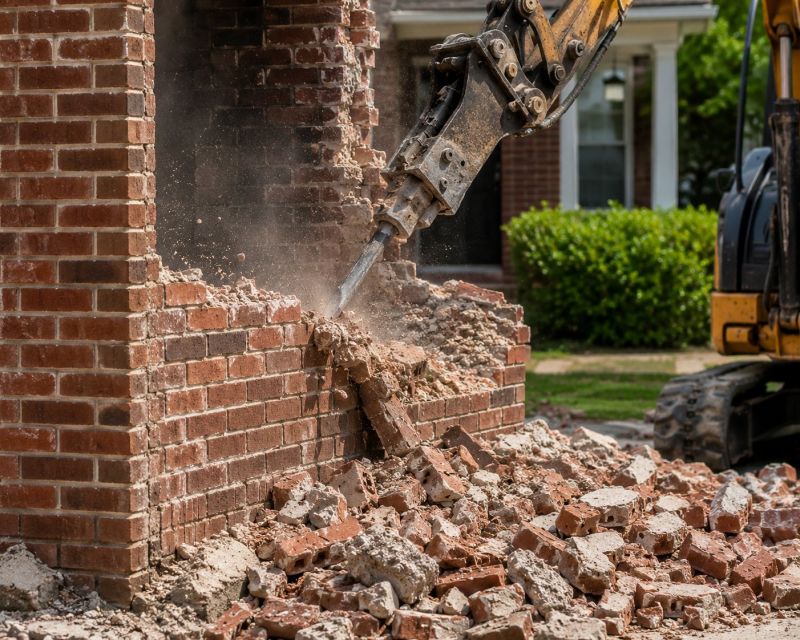
Selective Masonry Tear-Out
Targeted demolition of specific brick or stone features to update or repurpose outdoor spaces in bergen county.
Masonry Demolition in Bergen County, NJ
Masonry demolition services involve the careful removal of existing brick, stone, or concrete structures on residential properties. This type of demolition is often required for projects such as removing old chimneys, retaining walls, fireplaces, or other masonry features that are no longer needed or are being replaced. Property owners should understand that these services focus on dismantling and clearing masonry elements while protecting surrounding areas, making it a precise process that minimizes damage to nearby structures and landscaping.
Before requesting masonry demolition, homeowners typically want to know about the scope of work, including the types of materials involved and the potential impact on the property. It's also important to consider factors like access to the site, disposal of debris, and any necessary permits or approvals. Clear communication about these details can help ensure the project proceeds smoothly and aligns with property owners’ expectations.
Many property owners in Bergen County, NJ look into Masonry Demolition for repairs, replacements, upgrades, and appearance-related improvements.
Common Masonry Demolition Jobs
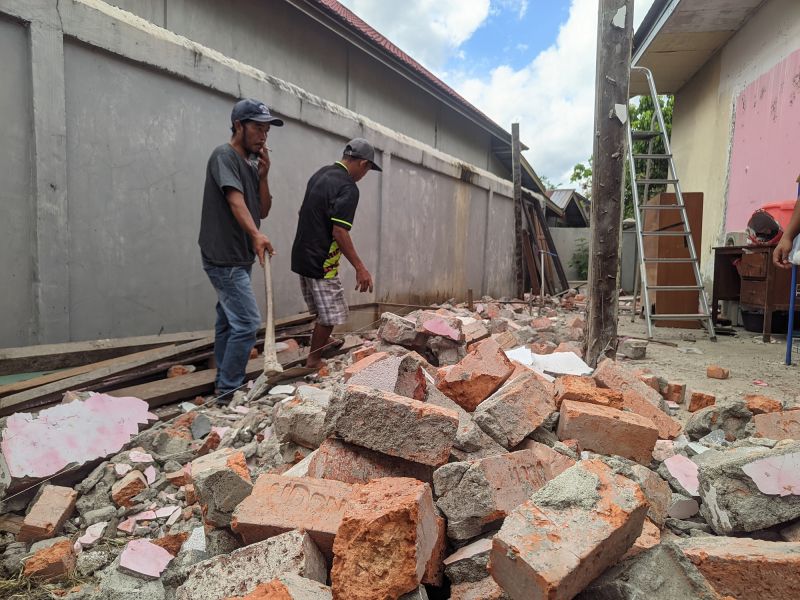
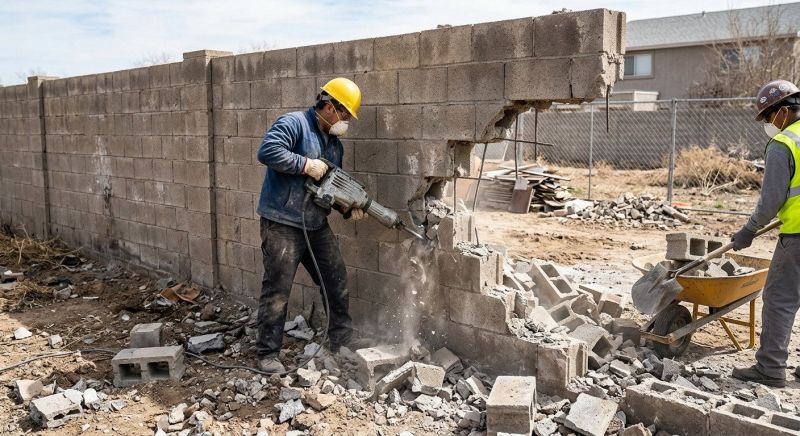
Brick and stone wall removal - safely dismantling and removing existing masonry structures.
Chimney demolition - taking down old or damaged chimneys to improve safety and aesthetics.
Foundation wall demolition - removing outdated or damaged foundation walls for renovation projects.
Retaining wall removal - dismantling retaining walls to prepare for new landscaping or construction.
Fireplace demolition - safely removing old fireplaces to create open interior spaces.
Structural masonry removal - carefully taking down load-bearing brick or stone structures as part of remodeling.
Masonry Demolition Questions
What types of structures can be removed through masonry demolition? Masonry demolition can handle various structures such as walls, chimneys, foundations, and retaining walls.
Is masonry demolition suitable for renovation projects? Yes, it is often used to remove existing masonry elements to prepare for remodeling or new construction.
What should property owners consider before masonry demolition? It's important to assess surrounding structures and utilities to ensure safe and efficient removal.
How is debris managed after masonry demolition? Debris is typically cleared from the site and disposed of according to local regulations and standards.
Request Masonry Demolition in Bergen County, NJ
Use the quote form on this page to share the basics of your project and request more information for the type of work you need.